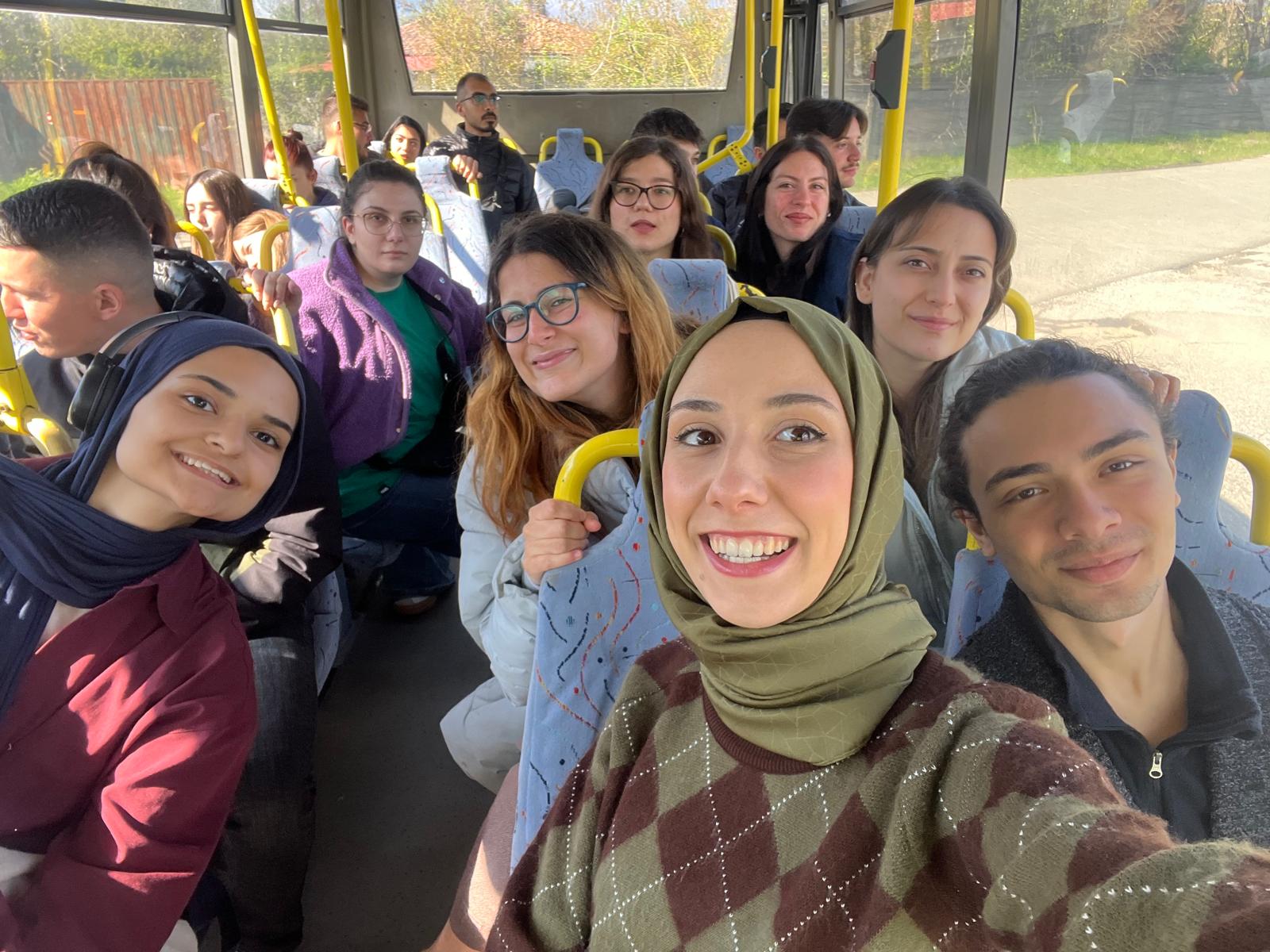
In the Shadow of Stereotypes: A Personal Perspective on Gender Justice
By Bilge Eda SALMAN
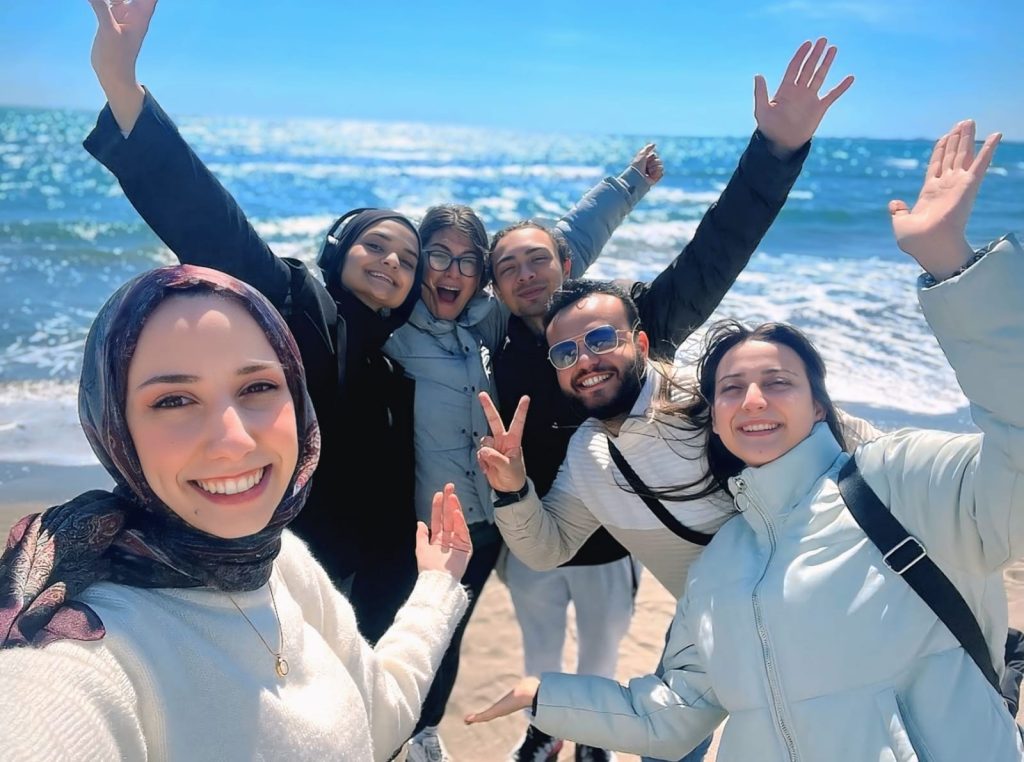
The Silent Boundaries of Justice
Gender refers not only to biological differences but also to the entirety of socially constructed roles and expectations. These expectations are often accepted without question, yet they shape the direction of our lives, our decisions, and even how we see ourselves.
The term “gender equality” has been in use for a long time, but today we need a deeper and more inclusive understanding: gender justice. This concept not only refers to equal opportunities but also calls for the recognition of historical, cultural, and structural barriers individuals face and overcoming them through fair policies.
In this article, I want to reflect on the stereotypical judgments I observed while growing up as a Turkish woman, combining personal experiences with scientific data. Because the personal is actually political. And science is often the most solid way to make visible what is personally left unspoken.
Growing Up with Stereotypes: A Childhood Portrait
I grew up in a small town, in a traditional Turkish family. Boys playing football in the street were told to “play like real men” and those who cried were insulted for “acting like girls”. We girls were taught to be “decent”. If we laughed too loudly, we were judged. Even riding a bicycle could seem inappropriate.
Gender roles were often assigned before the players even stepped onto the stage.
During my primary school years, something began to feel wrong within these silent rules. While my brother, who grew up in the same house as me, could do many things, why was I faced with so many restrictions? He could go outside freely, speak loudly, and express his emotions. I, on the other hand, was constantly being told to behave.
Growing up at the same table but living by different rules. That was where injustice truly began.
As these questions grew inside me, so did my courage. One day I turned to my father and asked that famous question: “Why can’t I do it?”
That question may not have shaken the walls of the house, but it shook the mental molds. My father was always a supportive figure who allowed me to question. Over time, he too began to rethink certain things.
So the change in our home started with the justice-seeking thoughts of a little girl.
I was not jealous of the freedoms my brother had, but I wanted the same. Instead of questioning what he had, I stated that I deserved that freedom as well.
And so, we started building a home where a girl could be not only well-behaved but also someone who could express herself.
Through this questioning, I realized an important truth at an early age. Gender is not just a biological trait. It carries a set of social meanings that shape our behavior, dreams, and even future career choices.
The most powerful chains are often those that wrap around our minds.
The awareness that began to grow inside me eventually led me both academically toward this field and personally into becoming an active part of social change.
A single question can sometimes start a silent revolution. And that revolution begins closest to home.
From the Lens of Science: The Real Consequences of Gender Stereotypes
When we talk about gender justice, we speak of a system that includes not only women but men and all individuals. Scientific data shows that stereotypes block not only justice but also societal well-being.
Wage Inequality
According to the 2024 report by the Anker Research Institute, in three textile factories in Turkey, women earned between 4 percent and 17 percent less than men on average for the same work. This gap is not only an economic loss but also reflects a distorted perception of work value based on gender.
Masculinity Norms and Mental Health
According to 2023 data from the World Health Organization, the suicide rate among men is about three times higher than among women. One of the main reasons is that expressing emotions is still considered a weakness for men.
Gender stereotypes restrict not only the lives of women but also of men. And this injustice becomes deeper in silence.
Education: Where Transformation Begins
Education is not only about knowledge. It is also where values, perspectives, and social roles are taught. That is why education is the first stop on the road to gender justice.
According to a 2021 report by the Education Reform Initiative, women in Turkish schoolbooks are mostly portrayed in domestic roles, while men appear as scientists, managers, or leaders. These representations leave permanent marks on children’s minds.
Also, research by Sadker and Zittleman in 2009 showed that teachers tend to give male students more speaking time and direct them toward leadership roles more often. Female students are more frequently encouraged to remain quiet and well-behaved.
And thus, potential is separated by gender.
I noticed these stereotypes as a child. Why was the class president always a boy? Why were girls not accepted into the science club?
The answers were hidden not in the system, but in what was considered natural expectations.
Finding My Voice: Breaking the Silence
When I started to question these stereotypes, there were times I felt alone. I received criticism and was sometimes accused of being overly sensitive. But each act of questioning gave me a broader perspective and a stronger voice.
Fighting for gender justice is not only about being a woman. It is about being human. Sometimes, to be yourself, you must go against what society teaches.
It is not easy. But it is valuable.
Recognize a Stereotype, Change a World
Gender justice does not mean giving everyone the same opportunities. It means creating the space where everyone can walk their own path.
Justice does not mean uniformity. It requires recognizing and respecting differences.
This transformation does not begin only with legal regulations. It begins with the attitudes of educators, the language of parents, and our awareness.
Social change starts most powerfully with individual courage.
That is why the responsibility falls on all of us. Educators, parents, decision-makers, youth. And most importantly, us.
I would like to leave a question for those of you reading this
Maybe social transformation begins by objecting to just one stereotype. What can you say no to today?
Remember, individual awareness is a spark. Social transformation begins with the spreading of that spark.
References
- UNESCO. (2022). Girls’ and Women’s Education in STEM. https://en.unesco.org/gem-report/girls-women-in-stem
- OECD. (2023). PISA 2022 Results (Volume I): The State of Learning and Equity in Education. https://www.oecd.org/pisa/publications/
- World Health Organization (WHO). (2023). Suicide Worldwide in 2023: Global Health Estimates. https://www.who.int/publications/i/item/9789240069910
- Eğitim Reformu Girişimi (ERG). (2021). Gender Representation in Textbooks Report. https://www.ergturkey.org
- Sadker, D., & Zittleman, K. (2009). Still Failing at Fairness: How Gender Bias Cheats Girls and Boys in School and What We Can Do About It. Scribner.